Phone Number Reference: 7028992500, 959098305, 3479615431, 7474411452, 773-241-7191, 6303879597, 907-802-4570, 9034939769, 9547371655 & 8042142128

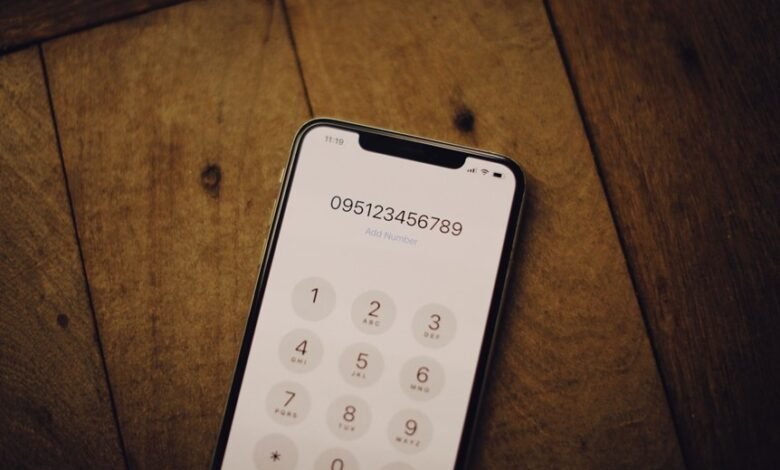
The discussion centers on how phone numbers function as data touchpoints, not mere digits. Each string carries ownership, routing, and history, while regional codes hint at jurisdiction and reach. Formatting consistency matters for recognition and risk assessment. Proper storage, verification, and protection are essential, along with consent and minimization. As systems cross CRM, authentication, and support workflows, privacy controls must be foregrounded. The implications are ongoing, and gaps can invite breach or confusion. What signals lie beneath these numbers, and what safeguards should follow?
What a Phone Number Really Represents in Data
A phone number is not merely a string of digits; it is a data-bearing identifier that ties a person or device to a network, a record, or a transaction.
Each number encodes ownership, routing, and history, while enabling portability across carriers.


The concept underscores phone ownership rights and the principle of number portability, ensuring user autonomy, transparency, and independent, accountable communications.
How Formatting and Area Codes Signal Meaning
Phone numbers carry meaning beyond their digits, and formatting along with area codes are key signals of that meaning. The structure conveys jurisdiction, time zone cues, and service expectations, shaping trust and autonomy. Observers note format semantics as a forecasting tool, while area code insights reveal regional reach and intent. Clarity in presentation supports informed choices and freer digital interaction.
Best Practices for Storing, Verifying, and Protecting Numbers
Effective management of numbers requires rigorous attention to storage, verification, and protection: missteps can expose users to fraud, misrouting, or data breaches. The approach emphasizes encryption at rest and in transit, strict access controls, and routine audits. Privacy implications demand minimization and consent. Data normalization and consistent validation reduce errors, while vigilant monitoring deter abuse and preserve user autonomy and freedom.
Use Cases: From Contact Management to Compliance and Verification
Use cases for phone number management span from everyday contact organization to rigorous compliance and verification workflows. Organizations deploy number data across CRM, authentication, and customer support, balancing accessibility with risk. Vigilance ensures privacy regulations are honored, and data minimization limits exposure. The emphasis remains on secure, auditable flows that empower users seeking freedom while safeguarding sensitive connectivity. Continuous evaluation sustainsResponsible practices.
Frequently Asked Questions
How Are International Numbers Handled in Databases With Local Formats?
International numbers are stored consistently after data normalization, with canonical IANA-like formats and universal E.164 standards; databases apply international formatting to display locally, while preserving interoperable structure for global routing and reliable querying.
What Privacy Laws Govern Sharing Phone Numbers Publicly?
Privacy laws vary by jurisdiction, but public sharing typically requires consent, minimization, and safeguards. The answer emphasizes privacy compliance, data minimization, and awareness of fraud indicators within numbering databases, urging cautious, freedom-conscious reporting and responsible dissemination.
Can a Number’s History Reveal Its Ownership Changes?
Yes, a number’s history can reveal ownership changes, offering history transparency while raising vigilance about privacy. The account of ownership shifts underscores the need for careful oversight, championing freedom with respect for personal data boundaries.
Do Numbers Encode Carrier or Device Type Information?
“Like a compass, it points inward.” Numbers encoding not carrier, numbers encoding not device. International formats handled locally, privacy laws govern sharing publicly. Ownership history reveals changes, regional scams exploit area codes, vigilant safeguards ensure freedom-oriented awareness.
How Do Regional Scams Exploit Area Code Patterns?
Regional scams exploit patterns by analyzing area code trends and international formatting to impersonate legitimate numbers, while pattern exploitation targets database localization, privacy regulations, and number tracing limits; they misuse ownership history, carrier encoding, and device type hints. Vigilant, freedom-minded audiences should push for transparency and responsible sharing.
Conclusion
In a world of digits, a phone number stands as both key and shield. Juxtaposed against the ease of contact is the burden of privacy, as every code maps to a person, place, and history. Vigilance is warranted: format signals, but protection seals. Proper storage and consent guard trust, yet lax access invites risk. The conclusion is clear—numbers connect lives, but only through careful handling can connection remain safe, compliant, and respectful.