Phone Number Lookup Findings and Identity Search Results: 922270700, 601891636, 693121919, 946414289, 645179475, 941560389, 630300216, 693118031, 977258246 & 982650030

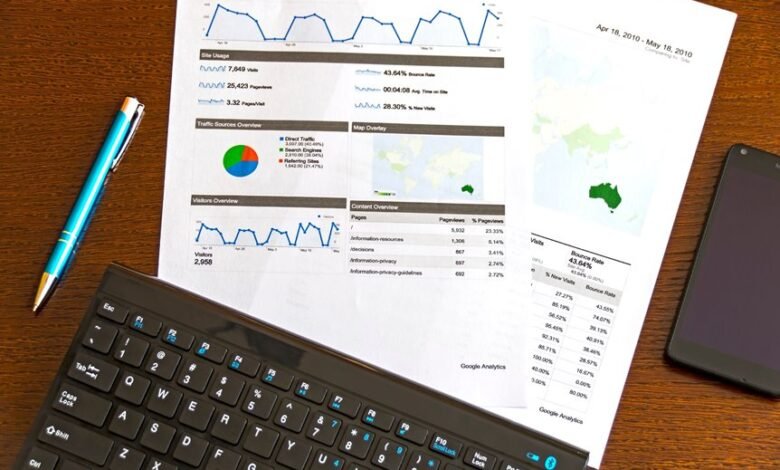
The analysis of phone number lookups for 922270700, 601891636, 693121919, 946414289, 645179475, 941560389, 630300216, 693118031, 977258246, and 982650030 shows uneven data quality across sources. Baseline signals draw on public records and scattered data, yielding some consistent results and notable gaps. The implications for verification, risk assessment, and privacy governance are nuanced, suggesting a careful, proportionate approach as stakeholders weigh safety and rights in ongoing inquiries. The next steps require careful consideration of per-number findings.
What the Numbers Reveal: Baseline Signals From Public Records
What do the numbers reveal about baseline signals from public records? The figures suggest patterns independent of individual intent, yet they reflect limitations in scope. Analysts note potential false positives and data fragmentation, where mismatched sources produce ambiguous results. Caution governs interpretation; baseline signals illustrate trends without guaranteeing identity accuracy, underscoring prudent use and ongoing verification.
How Reliable Lookups Are Across Each Number
In examining how reliable lookups are across each number, the analysis focuses on per-number variance in accuracy and completeness.


Findings indicate modest heterogeneity, with some numbers yielding consistent results and others showing gaps in data coverage.
Practical Due Diligence: Verifying Identity While Respecting Privacy
Practical due diligence in identity verification requires a careful balance between thorough corroboration and respect for privacy, ensuring that methods align with legal and ethical standards while minimizing unnecessary data exposure.
The analysis emphasizes privacy considerations and consent norms, advocating transparent processes, limited data collection, and auditable verification steps.
Detachment preserves objectivity while guiding responsible, rights-respecting identity assessments within freedom-minded environments.
What This Means for Safety, Compliance, and Risk Management
Considering the privacy-minded approach outlined previously, this section assesses how phone number lookup findings and identity search results influence safety protocols, regulatory compliance, and organizational risk management.
The analysis emphasizes privacy compliance and risk mitigation, noting that granular identity data can sharpen threat detection while demanding robust controls.
Careful governance, transparency, and proportionate use balance security with individual rights.
Frequently Asked Questions
How Are Numbers Prioritized for Investigation Beyond Public Signals?
Numbers are prioritized by risk indicators, corroborated signals, and potential impact, beyond public signals. The approach emphasizes topic ideas, non relevant to other subtopics, and balances enforcement aims with transparency, proportionality, and privacy considerations in analysis.
Can Lookup Results Predict Future Behavior or Risk Events?
Future risk cannot be precisely predicted; lookup results offer probabilistic indicators but no certainty. The analysis remains cautious, noting behavioral prediction is limited, context-dependent, and should respect privacy while informing risk-aware, freedom-minded decision-making.
What Biases May Affect the Outcomes of Identity Searches?
Biases in data and model uncertainty shape identity searches, introducing systematic errors and uneven outcomes; the analysis remains cautious, analytical, and objective, acknowledging limitations while supporting a measured pursuit of fair, transparent results for individuals seeking freedom.
Do Results Reveal Caller Location or Device Type?
Caller insights suggest results do not definitively reveal precise caller location or device type. They indicate risk indicators and contextual metadata, requiring cautious interpretation within privacy and freedom-minded analysis, while avoiding assumptions about actual endpoints or geolocation certainty.
How Should Anomalies Be Escalated in Regulatory Contexts?
An analyst notes that anomalies should be escalated using formal escalation protocols when regulatory thresholds are exceeded, ensuring traceability. The approach remains analytical, cautious, objective, and aligned with principles that preserve freedom and accountability.
Conclusion
In a landscape where data gleams with public-record clarity yet shivers at gaps, the numbers tell a careful story. Juxtaposed, pristine signals coexist with missing pieces, underscoring uneven reliability. The conclusion is mercifully cautious: robust governance and privacy-preserving verification are not luxuries but necessities. Between confident snapshots and fragmented traces lies a risk frontier—requiring auditable processes, proportional access, and transparent disclosure to balance safety, compliance, and individual rights without overexposure.