Find the Owner Behind These Phone Numbers: 924116756, 634859110, 6629001059411, 922044163, 928303939, 910389394, 976116288, 615806201, 2226549333 & 24232999

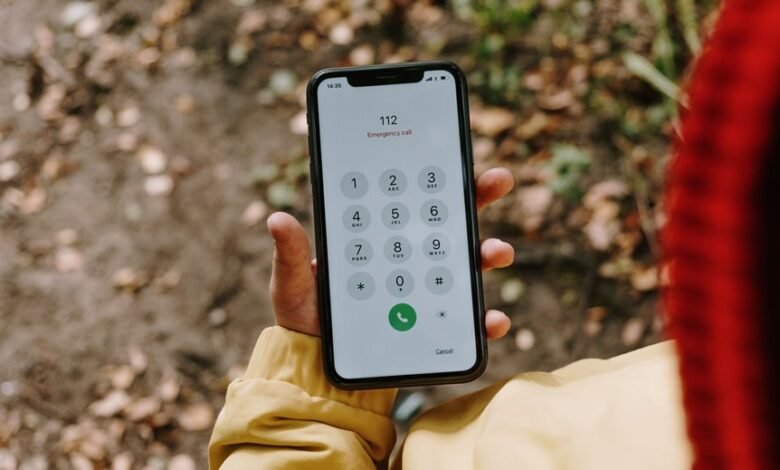
This topic examines how to identify the owner behind the listed phone numbers with care and legality. It favors opt-in databases, official records, and verified caller data, applying strict consent and privacy standards. The approach is methodical: verify sources, document steps, and cross-check results while avoiding unnecessary exposure of sensitive information. The discussion leaves open the practical challenges and evolving safeguards, prompting further consideration of responsible techniques and the next steps.
What It Means to Find a Phone Number’s Owner
Determining the owner of a phone number is the process of identifying the individual or organization to which the number is registered or currently linked.
The topic encompasses Finding ownership, Privacy concerns, Verification methods, Caller identity, Personal data, Phone lookup, Legal considerations, and Responsible disclosure.


Analytical assessment highlights data sources, consent, and risk mitigation while maintaining freedom through responsible, transparent practices.
Quick, Legal Ways to Identify Ownership for Each Number
To proceed with identifying ownership for each number in a manner that respects legal and ethical boundaries, a structured approach is employed. The method prioritizes privacy concerns, data legality, telecommunication data, and consumer rights, using official records, opt-in databases, and lawful verifications. Results emphasize transparency, minimal disclosure, and clear provenance to ensure responsible, auditable identification processes.
Red Flags and Safe Verification Techniques
Red flags are the initial indicators that warrant closer scrutiny when identifying phone-number ownership, and they must be interpreted within a defined verification framework. The approach emphasizes disciplined steps: corroborating sources, cross-referencing records, and documenting decisions.
Emphasis rests on identity verification accuracy while protecting data privacy, minimizing assumptions, and maintaining transparency about methods and limitations for accountable, freedom-respecting inquiry.
How to Protect Yourself and What to Do Next
In light of the prior discussion on red flags and verification techniques, the focus now shifts to practical safeguards and the subsequent steps for individuals who encounter unfamiliar or suspicious phone numbers.
The analysis outlines disciplined measures: verify sources, document interactions, limit data sharing, and report abuse.
Finding privacy ethics and data legality concerns guide decisions, ensuring informed, lawful response and proactive protection.
Frequently Asked Questions
Can I Legally Trace a Private Number Without Consent?
Legal tracing of a private number without consent is generally illegal or restricted; outcomes hinge on jurisdiction. The analysis considers privacy implications, consent requirements, applicable telecommunication laws, and lawful avenues, emphasizing compliance, documentation, and potential penalties for unauthorized disclosure.
Do Social Media Profiles Reveal Owner Details?
Social media profiles can reveal owner details, but not always. Juxtaposition shows visibility versus discretion; discussion ideas meet privacy implications. Verification challenges arise, balancing legality and ethics with freedom, transparency, and consent in the pursuit of identity.
Can a Caller ID Spoofing App Mislead Verification?
Caller ID spoofing apps can mislead verification, but risks are mitigated by multi-factor checks; device spoofing risks exist, yet verification bypasses remain unlikely with robust, layered identity measures, encouraging informed, freedom-respecting approaches to digital security.
Are Pay-Per-Call Services Reputable for Number Lookup?
Pay-per-call services are unevenly reputable; some deliver legitimate find ownership results, while others misuse data. Methodically assess data sources, verify providers, and consider privacy impact before relying on any pay per call for finding ownership.
What Are Common Myths About Finding Ownership Online?
Myth vs reality suggests ownership data often misleads; privacy vs transparency debates arise from incomplete records and sensational claims. Analysts emphasize verification, consent, and legal limits, noting that freedom requires cautious, ethics-informed online inquiry and data stewardship.
Conclusion
In the end, the process unfolds like a meticulous map: each number a discreet key, each database a quiet compass. Consent marks the north; privacy, the unspoken boundary. Verification unfolds as a liturgy of checks, cross-references, and auditable trails, avoiding haste and speculation. When accuracy arrives, it appears as a steady beacon, not a blaze. The owner remains protected, the truth revealed only through careful, transparent steps—an orchestra of safeguards guiding responsible identification.