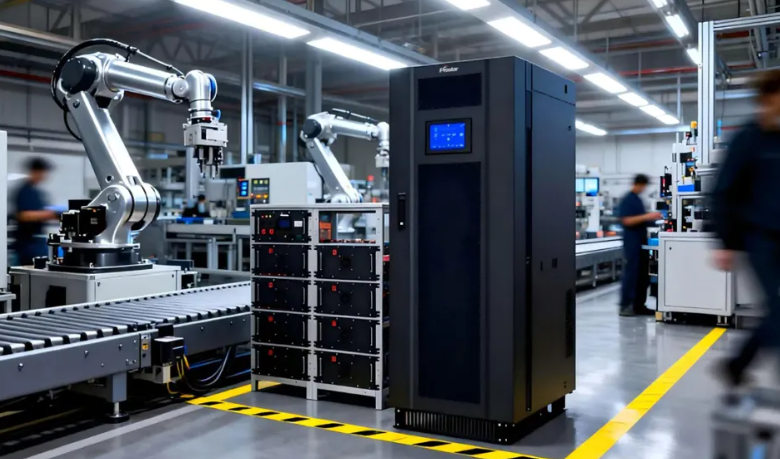
In today’s fast-paced world, uninterrupted power supply is more critical than ever. Businesses, households, and critical infrastructure cannot afford downtime, and this is where Lithium UPS systems come into play. Lithium-ion technology is rapidly replacing traditional lead-acid batteries in UPS systems due to its efficiency, longer lifespan, and reliability.
What is a Lithium UPS?
A Lithium UPS is an uninterruptible power supply system that uses lithium-ion batteries instead of conventional lead-acid batteries. These batteries store electrical energy and provide backup power during outages, voltage fluctuations, or sudden interruptions. The primary goal of a UPS is to protect sensitive equipment such as computers, servers, medical devices, and industrial machinery from damage caused by power failures.
See also: 8008994047 Best Investment Strategies for Tech Stocks


Advantages of Lithium UPS Over Traditional UPS
- Longer Lifespan
Lithium batteries typically last 8-15 years, compared to 3-5 years for lead-acid batteries. This significantly reduces replacement costs and maintenance efforts. - Lightweight and Compact
Lithium batteries are lighter and smaller, making Lithium UPS systems easier to install and requiring less physical space. This is particularly advantageous in offices, data centers, and industrial settings where space is a premium. - Higher Efficiency
Lithium-ion batteries have higher energy density, allowing them to store more power in a smaller size. Additionally, Lithium UPS systems experience lower energy losses during charging and discharging, resulting in better efficiency. - Faster Charging
Lithium UPS batteries charge much faster than traditional lead-acid batteries. Some models can reach full charge in 1-2 hours, ensuring readiness for power outages at any time. - Low Maintenance
Unlike lead-acid batteries, Lithium UPS batteries require minimal maintenance. There is no need for water topping or frequent inspections, making them hassle-free. - Better Thermal Performance
Lithium UPS systems generate less heat and perform efficiently across a wide range of temperatures. This reduces the need for additional cooling solutions, saving energy and cost.
Applications of Lithium UPS
Lithium UPS systems are used across multiple sectors due to their reliability and efficiency:
- Data Centers: Ensures servers and network devices stay operational without disruption.
- Healthcare: Powers critical medical equipment like ventilators, monitors, and diagnostic machines.
- Telecommunications: Maintains uninterrupted services for communication networks.
- Industrial Automation: Protects machinery and production lines from sudden power interruptions.
- Home and Office: Safeguards computers, home servers, and essential appliances during blackouts.
Factors to Consider When Choosing a Lithium UPS
- Capacity – Choose a UPS with sufficient capacity (measured in VA or kVA) to support your equipment.
- Backup Time – Evaluate how long the UPS can supply power during an outage.
- Input/Output Voltage Compatibility – Ensure compatibility with your electrical system.
- Warranty and Lifespan – Opt for brands offering longer warranties and reliable support.
- Form Factor – Consider whether a tower or rack-mounted design suits your installation environment.
Maintenance Tips for Lithium UPS
- Keep the UPS in a cool, dry location.
- Avoid deep discharging; recharge the battery regularly.
- Perform periodic self-tests to ensure optimal performance.
- Clean the UPS unit and battery terminals to prevent dust accumulation.
FAQs About Lithium UPS
Q1: How long do Lithium UPS batteries last?
A: On average, Lithium UPS batteries last 8-15 years, depending on usage and maintenance.
Q2: Can Lithium UPS replace lead-acid UPS directly?
A: Yes, but ensure the UPS specifications match your load requirements and voltage compatibility.
Q3: Are Lithium UPS batteries safe?
A: Yes, modern Lithium UPS batteries have built-in protection against overcharging, overheating, and short circuits.
Q4: How fast can a Lithium UPS recharge?
A: Most Lithium UPS systems can fully recharge within 1-2 hours, much faster than traditional UPS systems.
Q5: Is Lithium UPS more expensive than lead-acid UPS?
A: The initial cost is higher, but long-term savings on maintenance, energy efficiency, and lifespan make it cost-effective.
Conclusion
Lithium UPS systems are transforming the power backup landscape with their efficiency, longevity, and reliability. Ideal for homes, offices, and industrial applications, they provide a superior alternative to traditional lead-acid UPS systems. By investing in a Lithium UPS, users ensure uninterrupted power, enhanced safety, and reduced maintenance costs, making it a smart and future-ready solution for continuous power needs.