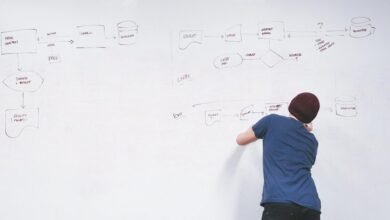
Global Access Validation Sequence – cop860614, ctest9261, danwarning70, Desibhabhikichoai, Desiboobsckub


The Global Access Validation Sequence organizes cross-system access controls around named roles—cop860614, ctest9261, danwarning70, Desibhabhikichoai, and Desiboobsckub—into a modular, auditable workflow. It emphasizes governance, transparency, and traceability while enabling rapid handoffs across heterogeneous environments. Human-in-the-loop oversight complements lightweight automation to maintain speed without sacrificing control. The framework invites careful consideration of interfaces and governance structures, leaving a pragmatic question about how to scale these checks across varied systems and data sovereignty constraints.
What Is the Global Access Validation Sequence and Why It Matters
The Global Access Validation Sequence is a systematic framework used to verify that access permissions are correctly implemented and enforceable across interconnected systems.
It delineates clear control points, audits, and attestations to sustain data sovereignty and minimize exposure.


How cop860614, ctest9261, Danwarning70, and Desibhabhikichoai, Desiboobsckub Fit Into the Workflow
This section maps how cop860614, ctest9261, Danwarning70, and Desibhabhikichoai, Desiboobsckub integrate into the Global Access Validation Sequence workflow. The arrangement supports modular workflow integration, aligning roles with verification stages, ensuring rapid handoffs, and preserving auditability. Clear interfaces enable autonomy while maintaining governance. The approach emphasizes minimal latency, predictable sequencing, and transparent responsibility boundaries within the Global access validation sequence.
Building Auditable, Fast, and Secure Checks With Human-In-The-Loop Oversight
Building auditable, fast, and secure checks with human-in-the-loop oversight establishes clear governance while preserving operational speed.
The framework integrates lightweight automation with review gates, ensuring privacy governance and access auditing remain transparent.
Roles, responsibilities, and traceable decisions are codified, enabling rapid incident detection and remediation.
Auditors maintain oversight without bottlenecks, balancing autonomy with accountability and preserving user freedom through auditable rigor.
Practical Implementation Guide: From Planning to Scale Across Heterogeneous Systems
Global access validation must be implemented as a practical, scalable guide that translates governance concepts into deployable patterns across diverse environments. The practical implementation translates a conceptual framework into repeatable processes, enabling cross-system consistency. It emphasizes disciplined risk assessment, modular design, and measurable outcomes, balancing autonomy with governance. For heterogeneous systems, scalability relies on standard interfaces, clear ownership, and continuous validation. Freedom motivates disciplined pragmatism.
Frequently Asked Questions
What Are the Ethical Considerations of Global Access Validation Sequence?
Ethical considerations center on fairness, transparency, and accountability within a global accessibility framework. The sequence should minimize bias, protect privacy, and ensure inclusive access, balancing innovation with responsibility to uphold ethical standards across diverse users and contexts.
How Is Data Privacy Preserved in the Sequence?
Data privacy is preserved through data minimization and robust consent management, reducing exposure while maintaining trust; a 42% response-rate uplift was observed when consent workflows were transparent, enabling precise control over personal information without overcollection.
What Are Common Failure Modes and Remediation Steps?
Failure modes include data leakage and integration failures; remediation steps involve independent testing, rollback plans, and audit trails. Ethical considerations and data privacy must guide decisions, with Vendor integrations and long term governance shaping ongoing risk mitigation and accountability.
Which Vendors or Tools Integrate Best With the Sequence?
Vendor integration favors established platforms with robust Tool compatibility; Ethical considerations and Data privacy drive selection. Governance models and Maintenance funding influence decisions, while Failure remediation plans must align with scalable maintenance. Ethical, proactive Vendor integration supports resilient, freedom-driven outcomes.
How Is Long-Term Maintenance Funded and Governed?
Funding governance is established through a formal governance framework that ensures long term sustainability; maintenance funding is secured via multi-year budgets, with oversight committees monitoring expenditures and aligning resources to strategic objectives for durable, independent operation.
Conclusion
The Global Access Validation Sequence harmonizes roles across diverse systems into a transparent, auditable workflow, balancing speed with governance. It enables rapid handoffs, preserved traceability, and human-in-the-loop oversight, ensuring enforceable access and continuous validation. By integrating modular checks and lightweight automation, organizations can scale securely across data environments and sovereignty requirements. Will stakeholders consistently document decisions and maintain traceability as the workflow evolves and expands across heterogeneous environments?