Phone Number Verification Insights: 2915209004, 685119756, 910684059, 910780135, 681197425, 968191838, 944341070, 63030301999027, 654731470 & 946134900

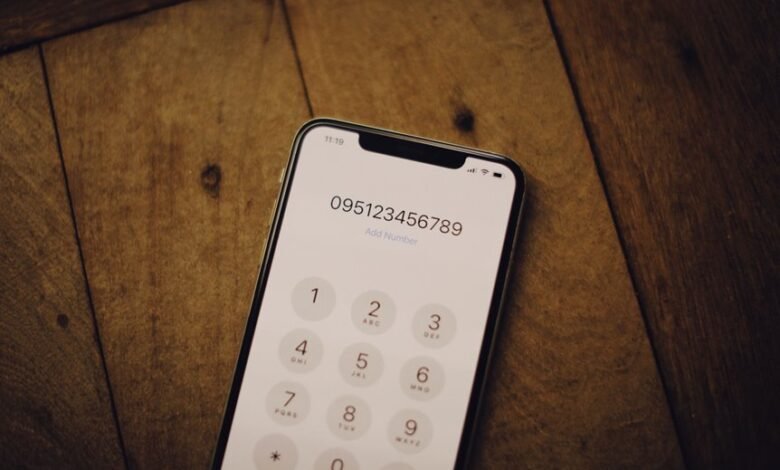
Phone number verification remains a critical guardrail in digital workflows, yet real-world samples—such as those listed—expose wide variation in length, formatting, and regional prefixes. The patterns demand cautious, reproducible validation rules and auditable processes to minimize fraud without sacrificing user experience. Ethical handling and privacy considerations must guide every step. The discussion should proceed with a careful assessment of risks, governance, and practical checkpoints before implementing any workflow changes.
What Is Phone Number Verification Today and Why It Matters
Phone number verification today serves as a critical control point in digital identity and access management.
The discussion remains analytical, cautious, and ethical, highlighting its role in user authentication and fraud reduction.


Verification ethics guide policy decisions, while number formatting standards ensure consistency across systems.
For a freedom-seeking audience, transparency, privacy safeguards, and user consent underpin responsible implementation.
Patterns and Pitfalls in Real-World Numbers: Analyzing Sample Entries
Patterns and pitfalls in real-world numbers emerge when sample entries are examined through a systematic lens: what formats, validations, and anomalies recur across datasets, and how these inform robust verification strategies.
Patterns pitfalls are evident in inconsistent digit counts and stray characters, while real world numbers reveal regional prefixes and truncations.
Cautious interpretation guides ethical, freedom-valuing analyses toward reliable, transparent verification practices.
Best Practices for Verifying Phone Numbers in Digital Workflows
To build trustworthy digital workflows, the verification of phone numbers must be approached with structured, repeatable methods that minimize errors and protect user privacy.
Verification workflow principles emphasize minimal data exposure, phased validation, and auditable logs.
Ethical implementation prioritizes consent and transparency, while risk mitigation strategies reduce fraud, false positives, and operational disruption without compromising user autonomy or security.
Troubleshooting Common Verification Failures and Next Steps
Diagnosing verification failures requires a structured, evidence-based approach that identifies root causes without attributing fault to users or systems. This analysis catalogues patterns and pitfalls, emphasizing reproducible testing, logs, and cross-checks. When issues arise, recommended next steps include isolating variables, validating inputs, and consulting policy constraints. Ethical, cautious assessment ensures transparency and preserves user autonomy while reducing systemic risk.
Frequently Asked Questions
How Do Regional Number Formats Affect Verification Success Rates?
Regional formatting materially influences verification success: inconsistent regional formatting can impede cross border validation, causing errors and false rejections. Analytical safeguards and ethical handling are essential to preserve freedom while ensuring accuracy in cross-border verification processes.
What Privacy Considerations Exist During Automated Number Verification?
Automated number verification raises privacy concerns regarding data collection and retention; organizations must implement privacy safeguards and data minimization, ensuring transparent purposes, limited access, and auditable processes to respect user autonomy while maintaining verification integrity.
Can Verification Results Indicate Potential SIM Swap Risks?
Verification risks can hint at potential SIM swap exposure, though not confirm it; results must be interpreted cautiously against regional formats, data quality, and corroborating signals, guiding responsible, ethical decisions while preserving user autonomy and security.
Are There Industries With Stricter Verification Compliance Requirements?
There are industries with stricter verification compliance requirements; analysts note heightened scrutiny for financial services and healthcare. Verification compliance must respect regional formats, ensuring ethical, cautious adoption while preserving user autonomy and security across diverse regulatory landscapes.
How Often Should Verification Data Be Refreshed for Accuracy?
Verification cadence should be determined by risk, data volatility, and regulatory demands, with regular audits. The approach emphasizes data governance, ongoing risk assessment, and transparent, ethical recalibration aligned to organizational values and stakeholder expectations.
Conclusion
Phone number verification remains a nuanced blend of pattern recognition and governance. An interesting takeaway is the diversity of formats: sample entries span lengths and prefixes, underscoring the need for phased, auditable checks. When robust rules tolerate regional variations yet enforce essential hygiene (clean digits, normalization, and privacy safeguards), fraud risk declines without harming legitimate users. If 1 in 10 attempts are flagged for anomalies, the process benefits from traceability and reproducible workflows, ensuring ethical, privacy-conscious verification.