Phone Number Records: 4693824598, 6125241804, 866.266.1445, 864-582-1394, 7746335795, 02 9169 9769, 585-415-5906, 6147299037, 855-909-0331 & 4164913757

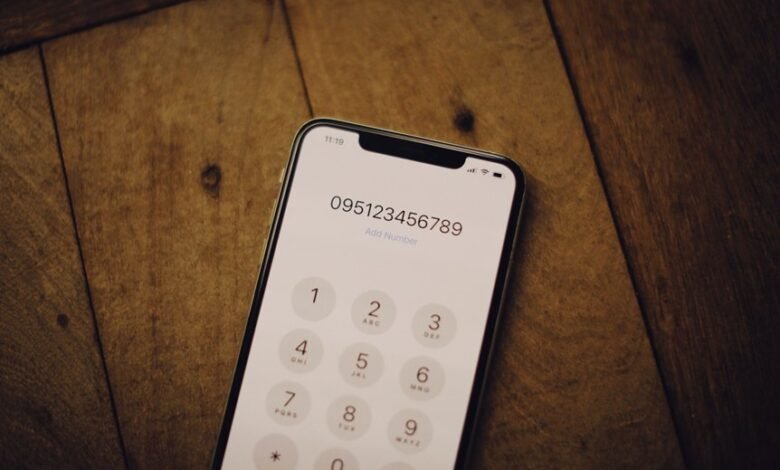
Phone number records such as 4693824598, 6125241804, 866.266.1445, 864-582-1394, 7746335795, 02 9169 9769, 585-415-5906, 6147299037, 855-909-0331, and 4164913757 sit at the intersection of verification and analytics. They require structured capture, secure access, and auditable logs. The implication for governance, privacy, and consent frames their usefulness for fraud prevention, tracing, and customer trust. Practical implementation will demand careful balancing of data minimization with operational needs as stakeholders seek clarity on policies guiding use and sharing. The question remains: how should organizations align standards and oversight to sustain accountability?
Phone Number Records: Overview and Importance
Phone number records are central to modern communications management, serving as a crucial data source for identity verification, fraud prevention, and operational analytics. The overview emphasizes structured collection, retention, and access controls, highlighting privacy considerations and data ethics. Decisions balance transparency with security, delineating risk, accountability, and proportional use. Proper governance supports freedom by enabling trusted, compliant, and responsible data practices.
How to Verify and Track Caller Details
The process of verifying and tracking caller details builds on structured phone number records by applying standardized identity checks, authentication signals, and audit-ready logging. This framework emphasizes caller identification, traceability, and data integrity while balancing privacy concerns and consent requirements.


Data anonymization and telemarketing regulations guide data sharing, with transparent retention policies to support lawful use and user freedom in decision-making.
Privacy, Privacy Laws, and Ethical Considerations
Privacy considerations in phone number records hinge on balancing legitimate security and service needs with individuals’ rights to control personal data.
The analysis emphasizes privacy compliance frameworks, proportional data collection, and impact assessments, ensuring transparency and accountability.
Ethical governance requires robust data stewardship, clear consent mechanisms, and minimization principles, aligning organizational practices with fundamental rights while enabling beneficial innovation and responsible information sharing.
Tools and Resources for Managing Phone Number Data
Effectively managing phone number data requires a curated set of tools and resources that support data quality, access governance, and compliance. The approach emphasizes policy-aligned data cleaning, lineage tracking, and secure integration. Key resources include privacy concerns frameworks, data ethics guidelines, and documented procedures for background checks and caller tracing to reduce risk while preserving legitimate analytics and freedom of use.
Frequently Asked Questions
Are There Risks in Sharing My Own Phone Number Publicly?
Yes, there are risks in sharing a personal phone number publicly; it invites spam, social engineering, and data scraping. The analysis emphasizes privacy practices and risk awareness to empower individuals while preserving freedom and informed choice.
How Can I Identify Spoofed or Fake Caller IDS Effectively?
Suspense grips the reader as the answer emerges: to verify caller IDs, one can verify against reputable databases and perform consistency checks. The policy emphasizes best practices for number reputation and suggests ongoing, analytical scrutiny for freedom-minded users.
What Data Retention Timelines Exist for Phone Metadata?
Data retention timelines for phone metadata vary by jurisdiction and carrier, but generally define a metadata scope ranging from months to several years; policies balance investigative value against privacy, operational needs, and user rights in a regulatory, freedom-oriented framework.
Can I Opt Out of Third-Party Call Databases?
Opt out options exist, but third party databases may retain data. Individuals should understand phone metadata timelines and spoof detection techniques, evaluate de-identification measures, and pursue transparent opt-out processes to reduce exposure while preserving legitimate communications.
What Are Common Signs of Legitimate Business Numbers vs. Scams?
Most numbers are legitimate but caution is prudent: one study shows 1 in 5 cold calls exhibit scam indicators. Common signs include spoofed caller IDs and unsolicited requests; red flags involve pressure tactics and unverifiable company details, legitimate sources preferred.
Conclusion
Phone number records demand meticulous governance, balancing utility with privacy. Aggregate datasets enable powerful analytics for verification, fraud prevention, and customer insight, yet overreach risks erosion of trust and regulatory breach. Robust governance, consent-driven access, and data minimization are essential to sustain usefulness without compromising rights. Transparent auditing, secure retention, and clear data-sharing policies transform raw numbers into trustworthy assets. When implemented rigorously, these records become reliable pillars of responsible, compliant operational excellence in telecom and service ecosystems.