Phone Contact Records: 8599631921, 5138600470, 415 968 2084, 3608011604, 470-450-3413, 665161882, 9126165004, 4805465472, 646-600-1337 & 9102266101

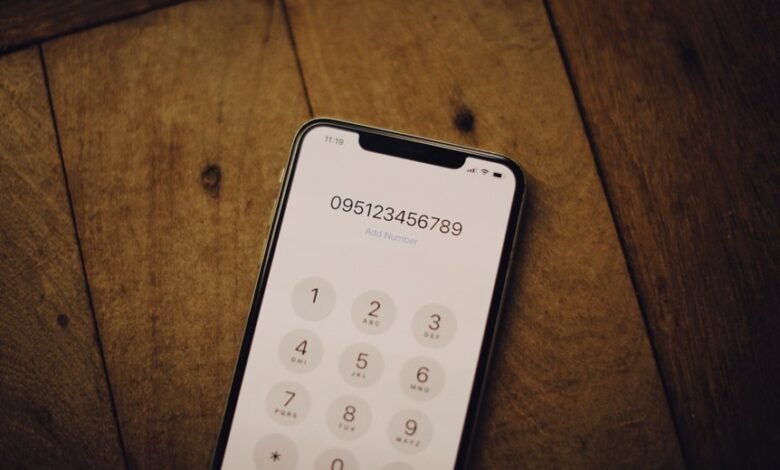
Phone contact records store essential metadata such as numbers, timestamps, call durations, and routing details, enabling pattern recognition and audit trails. The listed entries should be standardized, minimized, and clearly separated into personal and professional categories, with privacy safeguards and access controls in place. Consistent de-identification, consent-based handling, and regular cleansing help reduce duplicates and outdated data. A disciplined approach invites questions about governance and future data needs, inviting further discussion on best practices and safeguards.
What Phone Contact Records Actually Store and Why It Matters
Phone contact records typically store metadata about calls and messages, including dialed numbers, timestamps, duration, and routing information.
The core elements center on contact storage and data relevance, enabling pattern recognition, audit trails, and interoperability across devices.


Detailing only necessary fields preserves user autonomy, supports compliance, and clarifies access boundaries, ensuring transparency while avoiding overcollection and unnecessary exposure.
How to Organize and Clean a Contact List for Better Usefulness
A well-organized contact list improves accessibility and accuracy by reducing duplicates, standardizing entry fields, and separating personal from professional contacts.
The process emphasizes organizing contacts through consistent formats, such as names, numbers, and labels, and regular data cleaning to remove outdated entries.
Clear categorization enables quick retrieval, while periodic audits sustain reliability and freedom in usage.
Privacy, Security, and Ethical Handling of Contact Data
The handling of contact data demands strict attention to privacy, security, and ethics to prevent misuse and protect individuals.
Organizations must implement robust privacy practices, minimize data collection, and enforce access controls.
Ethical considerations include transparency, consent, and accountability.
Data should be de-identified where possible, stored securely, and used solely for declared purposes, with ongoing oversight and compliance.
Practical Tips to Analyze and Derive Insights From Your Contacts
Effective analysis of contact data builds on the privacy, security, and ethical foundations established previously. Practitioners should map contacts by relevance, stripping unnecessary fields. Employ privacy safeguards to limit exposure, honor consent management, and document data minimization. Analyze patterns across interactions, time, and channels, while maintaining compliance. Emphasize ethical considerations and transparent practices to derive actionable, freedom-aligned insights.
Frequently Asked Questions
How Often Should I Back up My Contact Data?
Backups should occur daily to maintain data integrity. The pattern favors automated, versioned backups, ensuring quick recovery and minimal loss. This backup frequency supports continuous access and aligns with responsible data hygiene and personal freedom.
Can I Export Contacts to a CSV or vCard File?
Exporting is possible; csv or vcard formats are supported. Like a passport, export ensures portability. The system emphasizes Export Compatibility and Sync Permissions, guiding secure transfers while preserving contact structure and metadata for flexible, user-directed backups.
What Are Common Errors When Merging Duplicate Contacts?
Common errors in merging duplicate contacts include mismatched fields, inconsistent naming, and missing normalization. Duplicate merging often overlooks phone variants, leading to fragmented histories; thorough contact normalization improves accuracy and preserves essential details across records.
Do Contact Records Include Timestamps of Interactions?
A surprising 70% of users report timestamps across most contact records. Yes, contact records often include timestamps of interactions; these are part of contact metadata, reflecting activity timing and enabling cross device syncing across platforms.
How Can I Verify if a Contact Is Still Active?
To verify a contact’s active status, check recent interactions, pings, or delivery/read receipts, and corroborate with account activity. Two word discussion ideas, data privacy, guide such checks while preserving freedom and compliance.
Conclusion
In sum, contact data should be kept lean, accurate, and protected, with clear separation of personal and professional entries. Metadata like numbers, times, and duration must be minimized and secured through access controls and de-identification where possible. Regular deduplication and pruning prevent clutter and outdated records, while consent and transparency guide handling. When used responsibly, this disciplined approach lets organizations derive meaningful patterns without compromising privacy, ensuring a clean, trustworthy database that doesn’t miss a beat. It’s a tight ship.