Telephone Number Registry: 800-698-4431, 2153099122, (682) 401-0110, 4123937100, 8668734835, 405-695-6087, 8587643059, 866-961-1371, 48506034688 & 5033059044

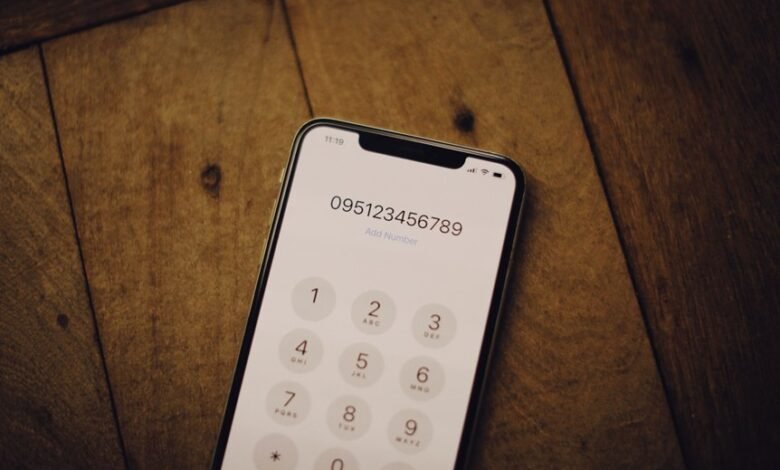
The telephone number registry lists several dialable sequences, including known toll-free and local formats. Each entry warrants scrutiny: who owns the number, its purpose, and any associated risks. The list invites questions about legitimacy and privacy when sharing or contacting these lines. A cautious approach is warranted to prevent exposure of personal data. What factors should be weighed to determine which numbers merit interaction and how to verify them without compromising privacy?
Telephone Number Registry: 800-698-4431, 2153099122, (682) 401-0110, 4123937100, 8668734835, 405-695-6087, 8587643059, 866-961-1371, 48506034688 & 5033059044
The Telephone Number Registry compiles a list of dialable sequences, including 800-698-4431, 2153099122, (682) 401-0110, 4123937100, 8668734835, 405-695-6087, 8587643059, 866-961-1371, 48506034688, and 5033059044, to serve as reference points for contactable lines.
It examines privacy concerns and data minimization, presenting cautious implications for freedom-minded readers while avoiding unnecessary exposure or sensationalism.


How to Protect Your Personal Information When Sharing Numbers
One key question arises: how can individuals minimize exposure when sharing phone numbers? Practicing privacy hygiene reduces unnecessary disclosures and curtails data collection. Implement consent-conscious sharing, verify recipient legitimacy, and prefer contact channels with minimal data requests. Emphasize data minimization by sharing only essential digits and avoiding public listings. This disciplined approach supports freedom through prudent, informed self-protection.
Common Red Flags and Scam Tactics Involving Phone Numbers
Common red flags and scam tactics involving phone numbers often surface through unexpected caller behavior, rapid requests for personal data, or assurances that authentication is urgent.
These patterns reveal the privacy implications of rushed disclosures and manipulated trust.
Awareness of scam tactics helps individuals assess risk, avoid unnecessary confirmations, and preserve autonomy while remaining skeptical of unsolicited prompts for sensitive information.
Steps to Take if You Receive a Suspicious Call or Text
Receiving a suspicious call or text can trigger concerns about personal data exposure and account security, building on the awareness from earlier safety flags. The guidance emphasizes pause, verify, and document. Do not share sensitive information; use official channels to confirm legitimacy. Update privacy practices, report anomalies, and strengthen scam awareness through wait times and cautious follow-up with trusted contacts.
Frequently Asked Questions
How Is My Phone Number Stored by Registries and Apps?
Phone number storage varies by registry and app, typically including billing, contact, and authentication data; privacy implications arise from broad access, data sharing, and potential third-party integrations, demanding careful consent, minimization, and transparent retention policies.
Can I Opt Out From Marketing Calls and Texts?
Yes, individuals can opt out from marketing calls and texts through opt out options, but effectiveness varies by provider and jurisdiction; failure to comply may incur legal penalties, while persistent violators risk enforcement actions and penalties.
Are There Legal Penalties for Spoofing Numbers?
Spoofing is illegal with legal penalties; authorities pursue two word discussion ideas—deterrence and enforcement—to curb deception. The analysis is cautious, concise, and analytical, highlighting accountability, while honoring a freedom-minded audience’s prudent skepticism about regulatory overreach.
How Often Should I Update Voicemail and Voicemail PINS?
Update frequency depends on usage and risk exposure; Security considerations favor regular updates. The policy suggests quarterly changes for voicemail PINs and after any suspected breach, while maintaining audit trails and user awareness for freedom-minded users.
What Details Are Safe to Share When Validating Numbers?
Numbers should only share minimal identifiers: last four digits, carrier, and account status, avoiding full numbers or personal data. Privacy practices and data sharing guidelines recommend verification via trusted channels; anecdotes illustrate leakage risks from excessive detail.
Conclusion
In conclusion, the registry lists a slate of dialable numbers, but truth remains elusive: exposure invites risk, not reputational virtue. The prudent reader treats unfamiliar calls with suspicion, verifies legitimacy through official channels, and avoids sharing sensitive data. While the registry can serve as a breadcrumb map, it also doubles as a satire of trust: numbers glitter, scammers peddle certainty, and vigilance becomes the real currency. Protecting privacy, not pandering, is the final punchline.