Unknown Phone Lookup Guide: 40004, 934953540, 976094194, 972375597, 915250195, 881550906, 911118249, 22344641, 964881312 & 934599559

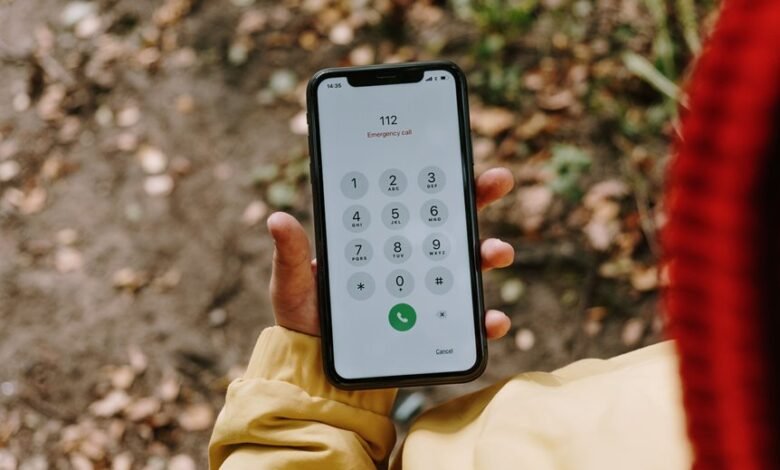
Unknown numbers such as 40004, 934953540, 976094194, 972375597, and others prompt scrutiny of metadata rather than definitive identities. The guide emphasizes how routing patterns, timing, and network origin can be informative yet inherently limited. Professionals must weigh consent, verification, and privacy risk when tracing calls. This balance raises questions about transparency, accountability, and practical safeguards—questions that invite closer examination as patterns emerge and decisions accumulate. The next step invites careful evaluation of methods and safeguards.
What Unknown Numbers Do (and Don’t) Reveal
Unknown numbers reveal limited information and prompt additional verification. The analysis examines what unknown numbers can disclose: basic call metadata, timing, and routing patterns, rather than definitive caller identity. Patterns may suggest origins or networks but rarely confirm a person.
For freedom-minded readers, the emphasis is on skepticism, verification, and the careful use of context to interpret unknown numbers without overreaching claims.


How to Safely Identify Callers Without Sharing Data
From the observation in prior discussion, unknown numbers reveal only glimpses of metadata and routing patterns rather than definitive identities. The analysis remains cautious, emphasizing consent, transparency, and minimal data sharing. Techniques to verify callers without exposure rely on trusted intermediaries, contextual cues, and independent verification. Avoid unrelated topic distractions; ignore nonessential tangent speculation, focusing on privacy-preserving, auditable identification practices.
Red Flags to Flag for Scams and Telemarketing
Red flags in scams and telemarketing are best understood as systematic anomalies that deviate from legitimate calling practices. The analysis identifies patterns such as unsolicited contact, pressure to act, and vague verification. Red flags prompt rigorous call verification, including requester identity and source corroboration. An investigative stance preserves autonomy, enabling informed discernment without surrendering personal information to dubious actors.
Practical Steps to Block, Verify, and Report Unknown Calls
Practical steps for handling unknown calls involve a structured sequence: block where feasible, verify when possible, and report incidents to appropriate channels. The process remains analytical and curious, examining call provenance without biases. A practical audience pursues freedom through control, not fear, yet remains rigorous. Note the unrelated topic and off topic discussion may distract, so focus on verifiable sources and documented actions.
Frequently Asked Questions
Can Unknown Numbers Reveal Personal Data About Me?
Unknown numbers cannot inherently reveal personal data about the subject; instead, privacy implications arise through data collection practices. Data minimization reduces exposure, while informed access policies guard against overreach, enabling freedom without unnecessary intrusion.
Do Calls From These Numbers Bypass Caller ID?
Unknown numbers can sometimes bypass standard caller ID, but such practice is often illegal or regulated. The analysis highlights caller privacy, spoofed calls, and legal considerations, notingUnknown numbers may mislead; safeguards exist, yet enforcement remains variable.
Are There Legal Risks in Identifying Unknown Callers?
Identifying unknown callers entails legal compliance considerations, and risks include privacy concerns and data sharing issues. Unknown numbers may raise consent requirements, caller ID spoofing challenges, and reverse lookup accuracy questions, shaping phone security and data handling obligations for individuals.
How Accurate Are Reverse Lookup Results for These Numbers?
In precise light, the accuracy of reverse lookup varies; unknown numbers often yield limited data, while public directories improve results. The method reflects gaps between carriers, databases, and privacy laws, prompting cautious interpretation of unknown numbers and outcomes.
Which Privacy Settings Best Protect Against Spoofed Calls?
Protections rely on robust privacy controls and skeptical verification; enabling caller ID verification, barring unknown senders, and limiting data exposure reduce spoofed call risk. The analysis suggests ongoing balance between privacy controls and usable communications.
Conclusion
Unknown numbers whisper only fragments of truth, never the whole identity. The guide exposes patterns, timing, and routing as clues, not certainties, urging caution and verification. Yet as data trails thicken, a chilling question persists: who benefits from the reveal, and at what cost to privacy? The answer remains unsettled, a hinge between complicating trust and practical safety. In the end, disciplined blocking, verifying, and reporting may be the only reliable compass. Suspense lingers: who calls next?